


| Product | Price | |||
|---|---|---|---|---|
|
Iron Ore Pellets
Update:
Wednesday, 22 April 2026
|
Bulk |
FOB |
MT |
Free |
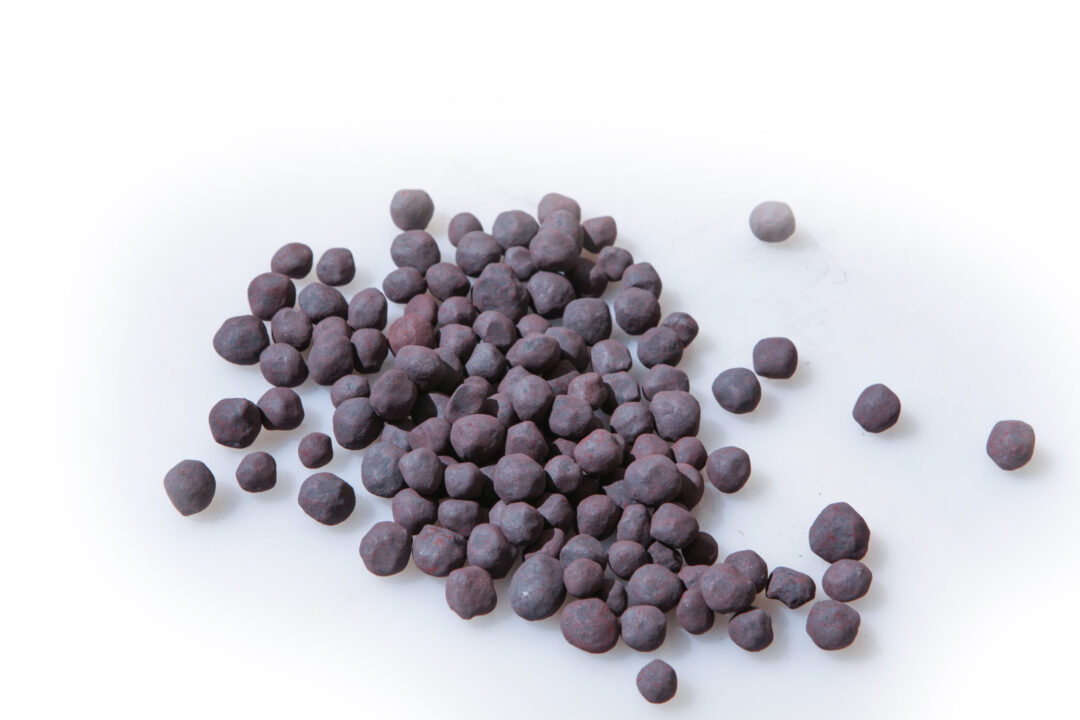
Export Iron Ore Pellet Price: Market Analysis and Overview
Introduction
Export iron ore pellets are among the most important raw materials in the global steel industry. Their high iron content, uniform size, and excellent metallurgical properties make them essential for blast furnace operations and direct reduction processes. Due to their consistent quality and efficiency in steelmaking, iron ore pellets maintain strong demand in international markets.
This article provides a comprehensive overview of the key factors influencing export pellet prices, along with specifications, applications, and logistics considerations relevant to global buyers.
Factors Affecting Export Iron Ore Pellet Prices
The price of iron ore pellets in international markets depends on several global and industry-specific variables:
- Global iron ore prices: As the primary input for pellet production, fluctuations in global iron ore benchmarks directly affect pellet pricing.
- Market demand: Demand from steel producers—especially those using blast furnaces and DRI plants—plays a significant role in price changes.
- Pellet quality: Higher iron content and lower impurity levels (SiO₂, P, S) increase the market value of pellets.
- Production costs: Mining, beneficiation, pelletizing, energy consumption, and operational costs influence the final export price.
- Logistics and freight rates: Transportation costs, especially seaborne freight, can significantly affect delivered prices.
- Trade policies and economic conditions: Tariffs, international trade regulations, and currency fluctuations impact export market pricing.
Applications of Export Iron Ore Pellets
Thanks to their high purity and uniform metallurgical properties, iron ore pellets are widely used in:
- Steelmaking
- Alloy manufacturing
- Automotive and heavy industry
- Industrial machinery production
- Direct reduction iron (DRI) plants
- Blast furnace operations
Their consistent size and high iron content improve productivity, reduce energy consumption, and enhance the overall efficiency of steelmaking processes.
Chemical Analysis of Iron Ore Pellets
Below are typical chemical specifications for different pellet grades:
- High‑grade iron ore pellets:
- Fe: above 66%
- SiO₂: below 4%
- P: below 0.05%
- S: below 0.03%
- Medium‑grade iron ore pellets:
- Fe: 60% – 66%
- SiO₂: 4% – 7%
- P: below 0.07%
- S: below 0.05%
- Low‑grade iron ore pellets:
- Fe: below 60%
- SiO₂: above 7%
- P: below 0.1%
- S: below 0.07%
These values may vary slightly depending on the mine, beneficiation methods, and pelletizing technology.
Storage and Transportation of Iron Ore Pellets
Correct handling practices ensure pellet durability, quality preservation, and reduced degradation during transport.
Key considerations include:
- Storage: Pellets should be stored in dry, well‑ventilated stockyards to prevent moisture absorption.
- Packaging: Bulk handling is common, but moisture‑resistant coverings or protective layers are recommended for long‑distance shipments.
- Transportation: Pellets are typically shipped in bulk vessels or sealed containers, ensuring protection from weather conditions and minimizing fines generation.
International Standards for Iron Ore Pellets
Export pellets must adhere to international quality and testing standards to ensure consistency across global markets. Common standards include:
- ISO 3082 – Sampling and moisture determination for iron ore and pellets
- ISO 3086 – Chemical analysis methods
- ISO 4701 – Determination of bulk density for iron ore and pellets
Compliance with these standards ensures reliable product quality and enhances confidence among international buyers.
Global Markets for Iron Ore Pellets
Due to strong steel production growth in many regions, iron ore pellets are widely imported by:
- China
- India
- Turkey
- Iraq
- United Arab Emirates
- Pakistan
- South Korea
These markets rely on pellets for blast furnace operations, DRI production, and the manufacturing of high‑quality steel products.
Conclusion
Export iron ore pellet prices are shaped by mining costs, global iron ore trends, pellet quality, and international logistics conditions. Understanding these factors helps buyers secure competitive products while enabling suppliers to optimize production and meet global demand.
With proper quality control, adherence to international standards, and efficient handling and shipping processes, iron ore pellets continue to serve as a vital raw material for the global steel industry.