

| Product | Price | |||
|---|---|---|---|---|
|
Iron Ore Concentrate
Update:
One week ago.
|
Bulk |
FOB |
MT |
Call |
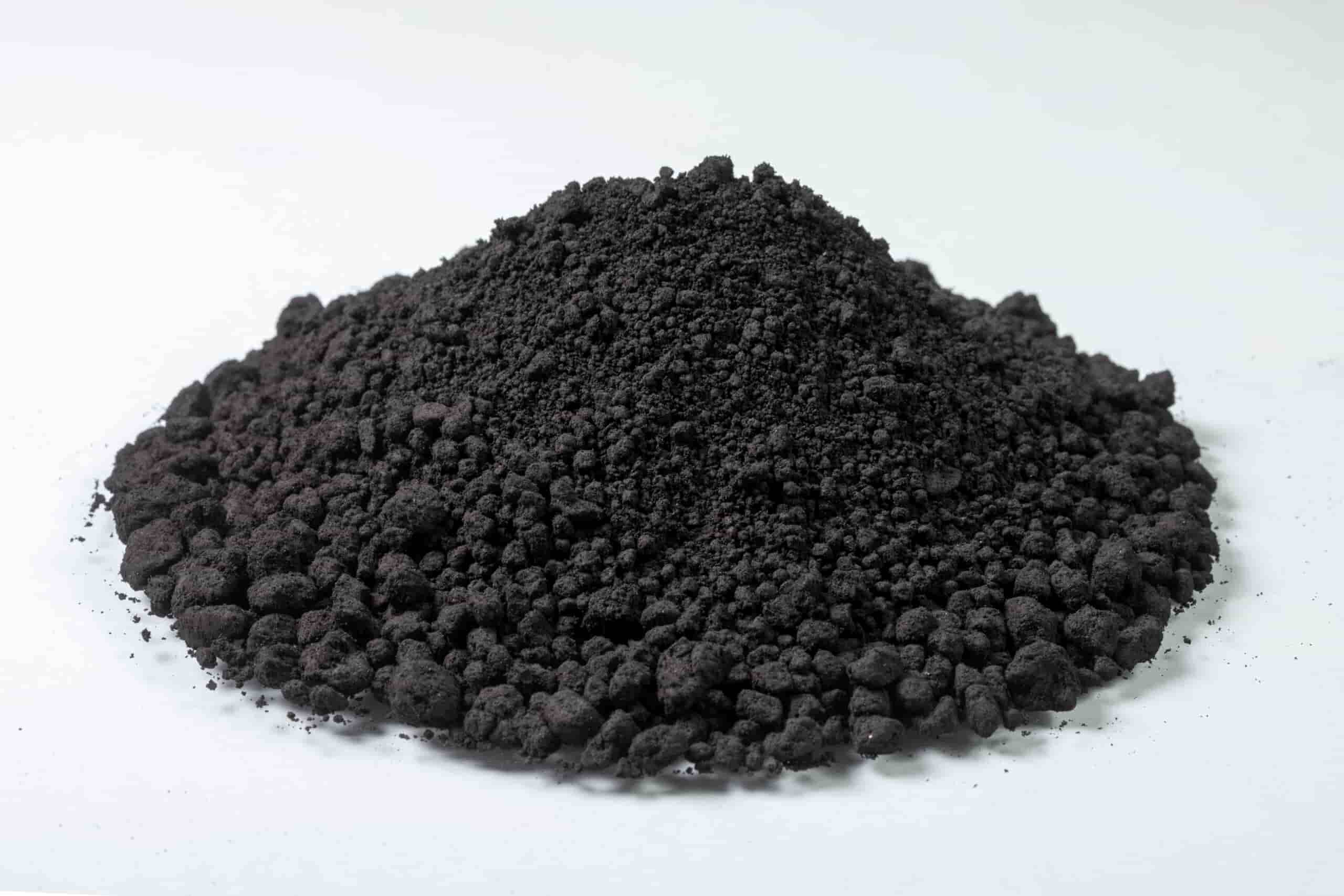
Export Iron Ore Concentrate Price: Market Analysis and Overview
Introduction
Export iron ore concentrate is one of the most strategic raw materials in the mining and steel industries. Due to its high iron content and essential role in steelmaking, iron ore concentrate is widely traded in international markets and remains a critical input for steel producers worldwide.
Countries with strong mining sectors supply iron ore concentrate to global steel manufacturers, where it is used in pelletizing plants, blast furnaces, and direct reduction processes. Understanding the factors that influence export prices helps buyers and suppliers make better decisions in international trade.
Factors Affecting Export Iron Ore Concentrate Prices
The price of export iron ore concentrate is influenced by several global and industry-specific factors:
- Global metal prices: International steel prices and global iron ore benchmarks strongly affect concentrate pricing.
- Market demand: Demand from steel producers directly impacts the price of iron ore concentrate.
- Mining and processing costs: Extraction, beneficiation, and processing costs influence the final export price.
- Transportation and logistics costs: Freight rates and shipping conditions can significantly affect international trade prices.
- Trade agreements and policies: Tariffs, export regulations, and trade relationships between countries influence market prices.
- Global economic conditions: Currency fluctuations and global economic trends also affect pricing and trade volumes.
Types of Iron Ore Concentrate
Iron ore concentrate can be classified based on its iron content and impurity levels.
High-Grade Iron Ore Concentrate
- Iron content (Fe): Above 65%
- Applications: Production of high-quality steel and specialized metal products.
Medium-Grade Iron Ore Concentrate
- Iron content (Fe): Between 55% and 65%
- Applications: Manufacturing of construction-grade steel products such as structural steel and reinforcing materials.
Low-Grade Iron Ore Concentrate
- Iron content (Fe): Below 55%
- Applications: Used in steel production processes where additional beneficiation or upgrading is required.
Low-Impurity Iron Ore Concentrate
- Contains lower levels of impurities such as sulfur (S) and phosphorus (P).
- Applications: Production of high-grade steel products that require strict quality standards.
Powdered Iron Ore Concentrate
- Produced in fine powder form.
- Applications: Used in specialized metallurgical processes, alloy production, and pelletizing plants.
Typical Chemical Analysis of Iron Ore Concentrate
The quality of iron ore concentrate is generally evaluated based on its chemical composition:
- High-grade concentrate:
- Fe: above 65%
- SiO₂: below 4%
- P: below 0.05%
- S: below 0.03%
- Medium-grade concentrate:
- Fe: 55% – 65%
- SiO₂: 4% – 8%
- P: below 0.07%
- S: below 0.05%
- Low-grade concentrate:
- Fe: below 55%
- SiO₂: above 8%
- P: below 0.1%
- S: below 0.07%
Storage and Transportation of Iron Ore Concentrate
Proper handling and logistics are essential to maintain the quality of iron ore concentrate during storage and export.
Important considerations include:
- Storage conditions: Concentrate should be stored in dry, well‑ventilated areas to prevent moisture absorption.
- Packaging: Moisture‑resistant packaging or bulk handling systems are recommended for transportation.
- Shipping: During international transport, concentrate is typically shipped in bulk carriers or sealed containers to protect it from weather exposure.
International Standards for Iron Ore Concentrate
Exported iron ore concentrate must comply with international testing and quality standards to ensure consistency and reliability.
Common standards include:
- ISO 3082 – Sampling methods for iron ore and concentrates
- ISO 3086 – Chemical analysis methods for iron ore concentrate
- ISO 4701 – Determination of bulk density of iron ore and concentrates
Compliance with these standards ensures accurate quality control and reliable product specifications for international buyers.
Applications of Export Iron Ore Concentrate
Due to its high iron content and consistent quality, iron ore concentrate is widely used in various industrial sectors:
- Steel production
- Alloy manufacturing
- Automotive industry
- Industrial machinery production
- Metallurgical processing
Global Markets for Iron Ore Concentrate
Iron ore concentrate produced in major mining regions is supplied to steel manufacturers across multiple international markets. Key importing countries typically include:
- China
- India
- Turkey
- Iraq
- United Arab Emirates
- Pakistan
- South Korea
These markets maintain strong demand due to their expanding steel production and infrastructure development.
Conclusion
Export iron ore concentrate prices are influenced by a combination of global market trends, production costs, logistics conditions, and international trade policies. Understanding these factors helps both buyers and suppliers navigate the global iron ore market more effectively.
With proper quality control, compliance with international standards, and efficient logistics management, iron ore concentrate remains a vital raw material for the global steel industry.