


| محصول | قيمت | |||||
|---|---|---|---|---|---|---|
|
تیرآهن 10 صادراتی
بروزرسانی:
یکشنبه, 12 ارديبهشت 1405
|
10 |
شاخه 12 متری |
کارخانه |
MT |
100 |
JText::_('PLG_HIKASHOP_RPPPRICEHISTORY_PRICE_CHANGE')
- - - -
⟲
87,096,774 تومانبدون مالیات: 87,096,774 تومان ($675.00000 بدون مالیات: $675.00000) |
|
تیرآهن 30 صادراتی
بروزرسانی:
چهارشنبه, 02 ارديبهشت 1405
|
30 |
شاخه 12 متری |
کارخانه |
MT |
510 |
JText::_('PLG_HIKASHOP_RPPPRICEHISTORY_PRICE_CHANGE')
- - - -
⟲
89,032,258 تومانبدون مالیات: 89,032,258 تومان ($690.00000 بدون مالیات: $690.00000) |
|
تیرآهن 27 صادراتی
بروزرسانی:
چهارشنبه, 02 ارديبهشت 1405
|
27 |
شاخه 12 متری |
کارخانه |
MT |
435 |
تماس بگیرید |
|
تیرآهن 27 صادراتی
بروزرسانی:
چهارشنبه, 02 ارديبهشت 1405
|
27 |
شاخه 12 متری |
کارخانه |
MT |
440 |
JText::_('PLG_HIKASHOP_RPPPRICEHISTORY_PRICE_CHANGE')
- - - -
⟲
98,064,516 تومانبدون مالیات: 98,064,516 تومان ($760.00000 بدون مالیات: $760.00000) |
|
تیرآهن 24 صادراتی
بروزرسانی:
چهارشنبه, 02 ارديبهشت 1405
|
24 |
شاخه 12 متری |
کارخانه |
MT |
370 |
JText::_('PLG_HIKASHOP_RPPPRICEHISTORY_PRICE_CHANGE')
- - - -
⟲
94,193,548 تومانبدون مالیات: 94,193,548 تومان ($730.00000 بدون مالیات: $730.00000) |
|
تیرآهن 24 صادراتی
بروزرسانی:
چهارشنبه, 02 ارديبهشت 1405
|
24 |
شاخه 12 متری |
کارخانه |
MT |
355 |
تماس بگیرید |
|
تیرآهن 24 صادراتی
بروزرسانی:
چهارشنبه, 02 ارديبهشت 1405
|
24 |
شاخه 12 متری |
کارخانه |
MT |
350 |
تماس بگیرید |
|
تیرآهن 22 صادراتی
بروزرسانی:
چهارشنبه, 02 ارديبهشت 1405
|
22 |
شاخه 12 متری |
کارخانه |
MT |
300 |
تماس بگیرید |
|
تیرآهن 22 صادراتی
بروزرسانی:
چهارشنبه, 02 ارديبهشت 1405
|
22 |
شاخه 12 متری |
کارخانه |
MT |
320 |
تماس بگیرید |
|
تیرآهن 22 صادراتی
بروزرسانی:
چهارشنبه, 02 ارديبهشت 1405
|
22 |
شاخه 12 متری |
کارخانه |
MT |
300 |
تماس بگیرید |
|
تیرآهن 20 صادراتی
بروزرسانی:
چهارشنبه, 02 ارديبهشت 1405
|
20 |
شاخه 12 متری |
کارخانه |
MT |
240 |
تماس بگیرید |
|
تیرآهن 20 صادراتی
بروزرسانی:
پنجشنبه, 01 ارديبهشت 1405
|
20 |
شاخه 12 متری |
کارخانه |
MT |
245 |
JText::_('PLG_HIKASHOP_RPPPRICEHISTORY_PRICE_CHANGE')
81,289,502
▲
81,290,323 تومانبدون مالیات: 81,290,323 تومان ($630.00000 بدون مالیات: $630.00000) |
|
تیرآهن 20 صادراتی
بروزرسانی:
پنجشنبه, 01 ارديبهشت 1405
|
20 |
شاخه 12 متری |
کارخانه |
MT |
270 |
JText::_('PLG_HIKASHOP_RPPPRICEHISTORY_PRICE_CHANGE')
98,708,857
▲
98,709,677 تومانبدون مالیات: 98,709,677 تومان ($765.00000 بدون مالیات: $765.00000) |
|
تیرآهن 20 صادراتی
بروزرسانی:
پنجشنبه, 01 ارديبهشت 1405
|
20 |
شاخه 12 متری |
کارخانه |
MT |
255 |
JText::_('PLG_HIKASHOP_RPPPRICEHISTORY_PRICE_CHANGE')
72,902,405
▲
72,903,226 تومانبدون مالیات: 72,903,226 تومان ($565.00000 بدون مالیات: $565.00000) |
|
تیرآهن 18 صادراتی
بروزرسانی:
پنجشنبه, 01 ارديبهشت 1405
|
18 |
شاخه 12 متری |
کارخانه |
MT |
230 |
JText::_('PLG_HIKASHOP_RPPPRICEHISTORY_PRICE_CHANGE')
93,547,832
▲
93,548,387 تومانبدون مالیات: 93,548,387 تومان ($725.00000 بدون مالیات: $725.00000) |
|
تیرآهن 18 صادراتی
بروزرسانی:
پنجشنبه, 01 ارديبهشت 1405
|
18 |
شاخه 12 متری |
کارخانه |
MT |
195 |
JText::_('PLG_HIKASHOP_RPPPRICEHISTORY_PRICE_CHANGE')
74,192,993
▲
74,193,548 تومانبدون مالیات: 74,193,548 تومان ($575.00000 بدون مالیات: $575.00000) |
|
تیرآهن 18 صادراتی
بروزرسانی:
پنجشنبه, 01 ارديبهشت 1405
|
18 |
شاخه 12 متری |
کارخانه |
MT |
200 |
JText::_('PLG_HIKASHOP_RPPPRICEHISTORY_PRICE_CHANGE')
81,289,767
▲
81,290,323 تومانبدون مالیات: 81,290,323 تومان ($630.00000 بدون مالیات: $630.00000) |
|
تیرآهن 16 صادراتی
بروزرسانی:
پنجشنبه, 01 ارديبهشت 1405
|
16 |
شاخه 12 متری |
کارخانه |
MT |
185 |
JText::_('PLG_HIKASHOP_RPPPRICEHISTORY_PRICE_CHANGE')
77,418,804
▲
77,419,355 تومانبدون مالیات: 77,419,355 تومان ($600.00000 بدون مالیات: $600.00000) |
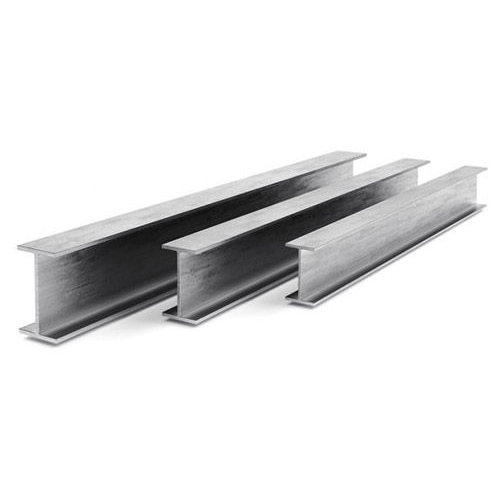
قیمت تیرآهن صادراتی: تحلیل و بررسی
مقدمه
تیرآهن یکی از مهمترین مصالح ساختمانی است که در پروژههای مختلف ساخت و ساز، از جمله برجسازی، پلسازی و سازههای صنعتی استفاده میشود. در این مقاله به بررسی عوامل موثر بر قیمت تیرآهن صادراتی و نکات مهم مرتبط با آن میپردازیم. برای اطلاع از قیمتهای روزانه تیرآهن صادراتی و تحلیلهای بازار، به صفحه قیمت تیرآهن صادراتی مراجعه کنید.
عوامل موثر بر قیمت تیرآهن صادراتی
- قیمت جهانی آهن و فولاد: یکی از اصلیترین عوامل موثر بر قیمت تیرآهن، قیمت جهانی آهن و فولاد است.
- تقاضای بازار: تقاضای بالا از سوی صنایع مختلف برای تیرآهن تاثیر مستقیمی بر قیمت آن دارد.
- کیفیت تیرآهن: کیفیت و درجه خلوص تیرآهن نیز بر قیمت آن تاثیرگذار است.
- هزینههای تولید: هزینههای تولید و فرآوری تیرآهن نیز از جمله عوامل تاثیرگذار بر قیمت نهایی آن هستند.
- نرخ حمل و نقل: هزینههای حمل و نقل بینالمللی نیز میتواند قیمت نهایی تیرآهن را تحت تأثیر قرار دهد.
- روابط تجاری و اقتصادی: توافقات تجاری بین کشورها میتواند بر قیمت تیرآهن صادراتی تاثیرگذار باشد.
- شرایط اقتصادی جهانی: نوسانات اقتصادی و تغییرات نرخ ارز نیز از دیگر عوامل تاثیرگذار بر قیمت تیرآهن صادراتی هستند.
- همچنین میتوانید برای اطلاعات بیشتر در حوزه عوامل موثر بر قیمت تیرآهن، به مقاله عوامل موثر بر قیمت تیرآهن مراجعه فرمایید.
انواع تیرآهن
- تیرآهن IPN:
- ویژگیها: تیرآهن IPN دارای سطح مقطع I شکل است و معمولاً در پروژههای ساختمانی استفاده میشود.
- کاربردها: مناسب برای ساخت اسکلت ساختمانها و سازههای فلزی.
- تیرآهن IPE:
- ویژگیها: تیرآهن IPE دارای بالهای بلندتر و نازکتر است و برای سازههایی که نیاز به استحکام بالا دارند مناسب است.
- کاربردها: استفاده در پلسازی، برجسازی و سازههای صنعتی.
- تیرآهن HEB:
- ویژگیها: تیرآهن HEB دارای بالهای پهنتر است و برای سازههایی که نیاز به تحمل بارهای سنگین دارند مناسب است.
- کاربردها: استفاده در ساخت پلها و سازههای خاص.
روشهای نگهداری و حمل و نقل تیرآهن
تیرآهن باید بهطور مناسب نگهداری و حمل شود تا کیفیت آن حفظ شود و از آلودگی و کاهش کیفیت جلوگیری شود. برخی از نکات مهم عبارتند از:
- انبار کردن: تیرآهن باید در مکانهای خشک و تهویهدار انبار شود تا از تماس با رطوبت جلوگیری شود.
- بستهبندی: بستهبندی مناسب و استفاده از کاورهای مقاوم در برابر رطوبت برای حمل و نقل تیرآهن توصیه میشود.
- حمل و نقل: در زمان حمل و نقل، تیرآهن باید در کانتینرهای بسته و مقاوم در برابر آب و هوا قرار گیرد.
استانداردهای بینالمللی تیرآهن
برای صادرات تیرآهن، رعایت استانداردهای بینالمللی کیفیت و مشخصات محصول بسیار مهم است. برخی از این استانداردها عبارتند از:
- EN 10034: استاندارد اروپایی برای تیرآهن.
- ASTM A6: استاندارد آمریکایی برای مشخصات عمومی و الزامات ابعادی برای تیرآهن.
کشورهای خریدار تیرآهن ایرانی
تیرآهن تولیدی ایران به دلیل کیفیت بالا و قیمت مناسب، در بازارهای بینالمللی مورد توجه قرار گرفته است. برخی از کشورهای خریدار تیرآهن ایرانی عبارتند از:
- چین: به دلیل نیاز بالای صنعت فولاد به مواد اولیه.
- هند: به دلیل رشد سریع صنایع فولاد و ساخت و ساز.
- ترکیه: یکی از بازارهای فعال برای تیرآهن ایرانی.
- عراق: به دلیل پروژههای بازسازی و توسعه زیرساختها.
- امارات متحده عربی: به دلیل پروژههای عظیم ساخت و ساز.
- پاکستان: به دلیل نیازهای صنعت فولاد و ساخت و ساز.
- کره جنوبی: به دلیل تقاضای بالا برای فولاد و محصولات فلزی.
نحوه سفارشگذاری تیرآهن صادراتی
- انتخاب محصول: نوع و مقدار تیرآهن مورد نظر خود را انتخاب کنید.
- تماس با تأمینکننده: با تأمینکننده یا کارخانه تولید تیرآهن تماس بگیرید و درخواست خود را ثبت کنید.
- بررسی قیمت: قیمت تیرآهن صادراتی را با توجه به قیمت روز و شرایط بازار بررسی کنید.
- تکمیل سفارش: پس از تایید قیمت و شرایط، سفارش خود را نهایی کنید.
نتیجهگیری نهایی
قیمت تیرآهن صادراتی تحت تأثیر عوامل مختلفی قرار دارد و بررسی دقیق این عوامل میتواند به تولیدکنندگان و خریداران در تصمیمگیریهای بهتر کمک کند. با توجه به مشخصات و کاربردهای تیرآهن و نیازهای مختلف بازار، میتوان نیازهای مشتریان را به بهترین شکل ممکن تأمین کرد. برای اطلاعات بیشتر در مورد قیمت تیرآهن، به صفحه قیمت تیرآهن مراجعه کنید. همچنین میتوانید برای اطلاع از تاثیر قیمت تیرآهن بر قیمت محصولات صنایع مختلف به مقاله تاثیر قیمت تیرآهن بر قیمت محصولات صنایع مختلف مراجعه فرمایید.
پرسشهای متداول (FAQ)
- قیمت تیرآهن صادراتی چگونه محاسبه میشود؟
- قیمت تیرآهن بر اساس قیمت جهانی فولاد، هزینههای تولید و نرخ حمل و نقل تعیین میشود.
- تیرآهن در چه کاربردهایی استفاده میشود؟
- تیرآهن در تولید سازههای فلزی، پلها و ساختمانهای بزرگ استفاده میشود. برای اطلاعات بیشتر در مورد فرآیند تولید تیرآهن، به مقاله نحوه تولید تیرآهن در ذوب آهن اصفهان سر بزنید.
- چه عواملی بر کیفیت تیرآهن تاثیرگذار هستند؟
- کیفیت و درجه خلوص مواد اولیه، فرآیند تولید، و نگهداری و حمل و نقل صحیح.